
The Shelf Life of Diesel Exhaust Fluid: Storage Best Practices
The shelf life of diesel exhaust fluid depends on proper storage. Learn best practices to maintain quality, prevent contamination, and ensure peak engine performance.
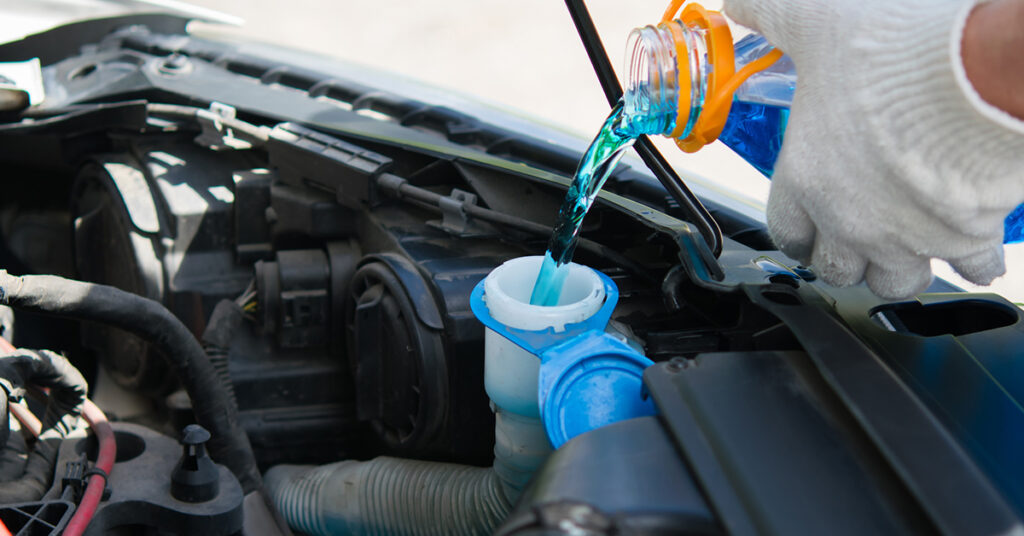
As stricter emission standards continue to shape the global transportation industry, diesel exhaust fluid (DEF) has become indispensable for diesel engines equipped with Selective Catalytic Reduction (SCR) systems. This fluid, a precise mix of high-purity urea and deionized water, plays a vital role in breaking down harmful nitrogen oxides into harmless nitrogen and water vapor. While most drivers and fleet managers recognize its importance, far fewer understand that DEF, like any chemical product, has a limited shelf life.
Table of Contents
Improper handling or storage can quickly reduce its effectiveness, leading to costly repairs, compliance issues, and increased emissions. Lets explore the shelf life of def fuel, the factors that affect it, and the best practices for storing it safely.
How Long Does Diesel Exhaust Fluid Last?
Under recommended storage conditions, diesel exhaust fluid has a typical shelf life of about 12 months. However, this figure isn’t fixed. Shelf life depends heavily on storage temperature, exposure to sunlight, and how the product is handled after opening. In cooler, stable environments—particularly when stored below 77°F (25°C)—DEF may remain usable for up to two years.
Conversely, storage in warmer climates or environments where temperatures exceed 86°F (30°C) can significantly reduce shelf life. Heat speeds up the breakdown of urea, altering the concentration and rendering the fluid less effective in reducing emissions. Once DEF is compromised, engines may throw error codes, fail emissions tests, or even go into reduced power mode.
That’s why both businesses and individuals must pay close attention to how long DEF has been stored and under what conditions. Reliable DEF suppliers often print expiration dates on packaging, making it easier to track and rotate stock before it expires.
Why Shelf Life Matters
The shelf life of DEF fuel directly impacts engine performance, compliance with environmental laws, and operating costs. Using expired or degraded fluid introduces several risks:
- Engine and SCR system issues: Expired DEF may crystallize, clog injectors, or damage SCR components.
- Increased emissions: A weakened solution will fail to break down nitrogen oxides effectively, leading to non-compliance with regulations.
- Costly downtime: Vehicles running on poor-quality DEF may require repairs, leading to unexpected downtime and expenses.
These risks highlight why fleet managers, trucking companies, and even individual drivers must take DEF shelf life seriously. The cost of replacing expired products is small compared to the financial and operational losses caused by system failures.
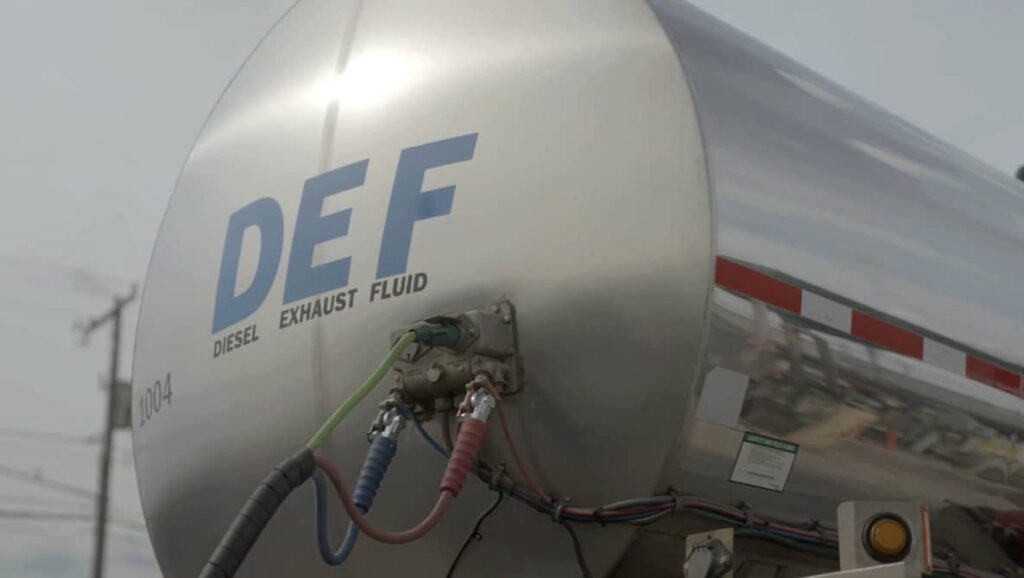
Factors That Affect Diesel Exhaust Fluid Shelf Life
1. Storage Temperature
Temperature is the most critical factor affecting shelf life. DEF stored consistently at or below 77°F (25°C) will remain stable longer than fluid exposed to high temperatures. Excessive heat causes urea to decompose, altering the concentration and reducing effectiveness. On the other hand, freezing temperatures won’t damage DEF permanently, but repeated cycles of freezing and thawing can introduce impurities or cause container stress. For this reason, DEF suppliers recommend storage in climate-controlled areas whenever possible.
2. Sunlight Exposure
Direct exposure to sunlight is another major threat to DEF quality. Ultraviolet (UV) rays accelerate the breakdown of urea, resulting in discoloration or crystallization. Once this occurs, the DEF fuel is no longer reliable. Always store DEF containers indoors or in shaded areas, away from constant sun exposure. For larger bulk storage systems, suppliers often recommend insulated tanks or shelters to minimize UV exposure.
3. Contamination Risks
Even small amounts of contamination—such as dust, dirt, lubricants, or remnants of crude oil DEF alternatives—can severely compromise the purity of diesel exhaust fluid. Contaminated DEF may damage sensors and injectors in the SCR system, leading to expensive repairs. To avoid this, only use dedicated transfer equipment and ensure containers remain tightly sealed. A trustworthy DEF supplier will always provide sealed packaging and guidance on safe handling practices.
4. Container and Storage Material
Not all containers are suitable for DEF. Industry standards recommend using polyethylene, fiberglass, or stainless steel. Containers that previously stored chemicals or crude oil products should never be repurposed for DEF, as residues can contaminate the solution. Using approved containers ensures the integrity of the fluid and helps maintain its shelf life.

Best Practices for Storing Diesel Exhaust Fluid
Keep DEF in Cool, Controlled Conditions
The most important step in prolonging DEF’s shelf life is storing it at consistent, moderate temperatures. Warehouses, shaded outdoor areas, or climate-controlled facilities are ideal. Avoid placing DEF containers near engines, heaters, or other heat sources.
Always Use Sealed Containers
Exposure to air increases the risk of contamination and evaporation. Once opened, containers should be resealed tightly after each use. For larger fleets using bulk DEF fuel, sealed tanks with dispensing systems are the best option.
Rotate Inventory Regularly
Adopting a “first in, first out” inventory strategy ensures older DEF is used before newer stock. This prevents product expiration and avoids unnecessary waste. Reliable DEF suppliers usually label containers with batch numbers and expiration dates to make rotation easier.
Handle DEF with Care
Diesel exhaust fluid is sensitive, and mishandling can shorten its shelf life. Always use clean funnels, pumps, or dispensing systems designed specifically for DEF. Relying on modern technology in dispensing systems further minimizes contamination risks, while equipment that has come into contact with oil, fuel, or lubricants should never be used.
Monitor Quality Periodically
Check DEF periodically for clarity and odor. Fresh diesel exhaust fluid is colorless and has no strong odor. If the fluid appears cloudy, discolored, or has a strong ammonia smell, it may have degraded. Reputable brands such as Blue DEF include printed expiration dates to help users identify when the fluid should no longer be used.
Understanding DEF Additives and Purity
There is a common misconception that DEF additives can improve shelf life or performance. In reality, standard-compliant DEF contains no additives; it is simply a precise mixture of urea and deionized water. The key to longevity is not additives but storage conditions and purity. Certified DEF suppliers adhere to ISO 22241 standards, ensuring that their products meet strict quality benchmarks. When shopping for DEF, always choose a trusted supplier rather than off-brand products that may include unverified additives or diluted mixtures.
The Importance of Trusted Suppliers
Partnering with a reliable DEF supplier is one of the best ways to ensure product quality and longevity. Reputable suppliers not only provide certified products but also offer training, monitoring equipment, and storage solutions to help businesses maximize shelf life. They also educate customers on avoiding contamination and recognizing signs of degraded fluid. For companies running large fleets, supplier support can make the difference between smooth operations and costly downtime.
FAQs About Diesel Exhaust Fluid Shelf Life
Can diesel exhaust fluid expire?
Yes. DEF has a typical shelf life of 12 months, but it may last up to two years if stored properly in cool conditions. Reliable service from a trusted DEF supplier also ensures you receive fresh, high-quality fluid every time.
Does freezing damage DEF fuel?
No, freezing doesn’t damage DEF permanently. However, repeated freeze-thaw cycles may reduce the quality of the containers.
How can I tell if my DEF has gone bad?
Check for cloudiness, discoloration, or strong ammonia odor. Products like Blue DEF also include expiration dates for easier monitoring.
Should DEF contain additives to extend its life?
No. DEF is a standardized mixture of urea and deionized water. Certified products don’t use DEF additives, and any that claim otherwise should be avoided.
What’s the best way to extend DEF shelf life?
Store it in sealed containers, keep it cool and away from sunlight, and always buy from a trusted DEF supplier.
Conclusion
The shelf life of diesel exhaust fluid is a crucial factor in ensuring modern diesel engines run efficiently and remain compliant with emissions standards. While DEF is stable under proper conditions, factors like heat, sunlight, contamination, and poor handling can drastically shorten its usability. Following best practices—such as storing in cool environments, sealing containers, rotating stock, and buying only from reputable suppliers—will help maximize shelf life and protect valuable equipment.
Whether you’re managing a large fleet or maintaining a single vehicle, the quality of your DEF fuel determines not only compliance but also the long-term health of your machinery. By understanding shelf life and storage best practices, you can prevent unnecessary costs, reduce downtime, and ensure your vehicles continue to operate smoothly.
About The Author


