
How to Choose the Right Climbing Rope for Your Needs
Choosing the right climbing rope is essential for safety, durability, and optimal performance during climbs. This guide walks you through the key types of climbing ropes, important features to consider like diameter, length, and dynamic vs. static properties, so you can confidently select the best rope for your climbing goals and environment.

Climbing is an exhilarating sport that demands trust—not only in yourself and your skills but also in your gear. One of the most critical components of that gear is the climbing rope. With the variety of options available, from dynamic to static ropes, choosing the right climbing rope can be overwhelming. Whether you’re into top rope climbing, outdoor expeditions, or even scaling trees, selecting the appropriate rope ensures safety, performance, and longevity. This guide breaks down everything you need to know to make an informed choice.
Table of Contents
- Understanding the Types of Climbing Ropes
- Key Considerations When Choosing a Climbing Rope
- Top Rope Climbing: What to Look for in a Rope
- Outdoor Climbing Needs: Choosing an Outdoor Rope
- Product Spotlight: Bulwark Safety X – NFPA Static Kernmantle Safety Rope
- The Importance of Durability in Tree Climbing Rope
- Product Spotlight: Safety X NFPA Semi-Static Kernmantle Safety Rope
- Where to Find Good Ropes and Climbing Rope for Sale
Understanding the Types of Climbing Ropes
Not all ropes are created equal, and choosing the right climbing rope depends largely on your activity and environment. Understanding the core differences between dynamic and static ropes is essential for both safety and performance. Let’s break down when and why each type is used.
Dynamic vs Static Ropes
The first thing to understand is the difference between dynamic and static ropes. Dynamic ropes are designed to stretch, making them ideal for lead climbing where falls are likely. The stretch absorbs some of the impact force, reducing the stress on both the climber and the gear. On the other hand, static ropes have very little stretch, which makes them unsuitable for lead climbing but perfect for rappelling, hauling gear, and rescue operations.
When to Use Static Ropes
Static ropes are commonly used in scenarios where you don’t anticipate a fall. These include caving, fixed-rope ascents, and hauling heavy loads. They’re also a go-to choice for professionals involved in rope access and rescue tasks. If you’re planning on tree climbing or working at height, a static rope with high tensile strength and minimal elongation is ideal.
Key Considerations When Choosing a Climbing Rope
Rope Diameter and Weight
Climbing ropes come in various diameters, typically ranging from 8.5mm to 11mm. Thinner ropes are lighter and easier to handle but may wear out faster and are less suitable for frequent top rope climbing. Thicker ropes offer more durability and are better suited for beginners or routes that involve a lot of abrasion. Always balance the trade-off between weight and durability depending on your climbing needs.
Rope Length and Handling
Most climbing ropes range from 30 meters to 80 meters in length, with 60 meters being the standard for many climbing gyms and outdoor routes. Consider the length of the climb, the descent, and whether you’ll be doing single or multi-pitch routes. Additionally, handling characteristics—how easily the rope knots, feeds through a belay device, or coils—can make a big difference in the overall climbing experience.
Top Rope Climbing: What to Look for in a Rope
Safety and Strength Requirements
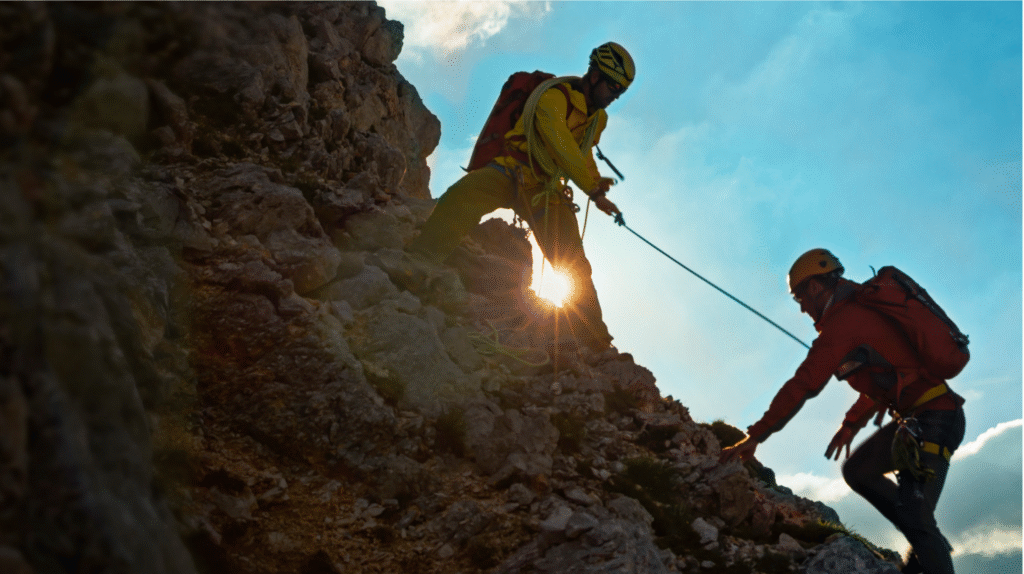
Top rope climbing places a different set of demands on your rope compared to lead climbing. Because the rope is anchored at the top and the climber is always supported, the forces on the rope are generally lower. However, the rope experiences frequent starts and stops, which means it must be durable and resistant to wear. A static or semi-static rope is often used in top rope setups at gyms or in professional settings.
Durability for Repeated Use
One of the primary concerns with top rope climbing is rope wear due to repeated use at the anchor point. Look for ropes with reinforced sheaths and high abrasion resistance. A durable rope not only extends the life of your gear but also ensures consistent performance, especially when shared among multiple climbers in group settings.
Discover More Rope Knowledge Here
Outdoor Climbing Needs: Choosing an Outdoor Rope
Resistance to Weather and Abrasion
Outdoor environments add an extra layer of complexity to rope selection. Moisture, dirt, and UV exposure can degrade rope performance over time. That’s why it’s essential to choose an outdoor rope that has dry-treated features and enhanced UV resistance. These ropes are designed to repel water, reducing the risk of freezing in alpine conditions and maintaining flexibility when wet.
Portability and Versatility
Outdoor climbs often require you to carry your gear over long distances. Choosing a rope that’s both lightweight and strong makes a big difference. If you’re planning on doing varied routes—from sport climbs to trad and alpine—opt for a versatile rope that can handle different types of terrain and conditions.
Product Spotlight: Bulwark Safety X – NFPA Static Kernmantle Safety Rope
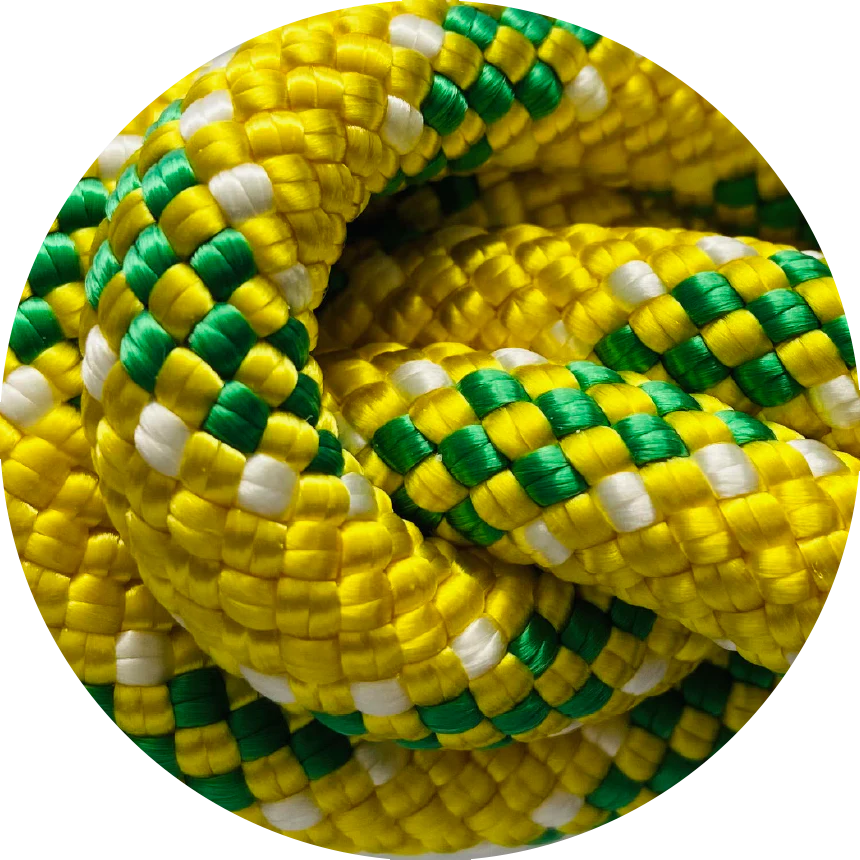
For climbers looking for a high-performance static rope that prioritizes safety and reliability, the Bulwark Safety X – NFPA Static Kernmantle Safety Rope is an excellent choice. Built to meet NFPA standards, it’s a top-tier option for rope access, tree climbing, and rescue missions. With a core-sheath design that enhances durability, this rope delivers consistent performance under pressure.
Key Features:
- NFPA certified static kernmantle construction
- High tensile strength for demanding applications
- Excellent abrasion resistance for extended use
- Smooth handling and knot-tying efficiency
- Low elongation ideal for rescue and work positioning
The Importance of Durability in Tree Climbing Rope
Why Durability Matters
Tree climbing introduces unique challenges. The rope must endure contact with rough bark, branches, and often, the elements. A tree climbing rope must be tough enough to withstand constant friction and support dynamic movements without fraying or breaking down. This makes material quality and sheath construction vital features to look out for.
Construction and Materials
A good rope for tree climbing typically features a kernmantle construction with a strong inner core and a tightly woven sheath. The sheath protects the core from abrasion and environmental damage, while the core provides the tensile strength. Make sure to check the rope’s specifications for elongation, load capacity, and resistance to wear and tear, especially if you plan on using it regularly for arborist work or recreational tree climbing.
Product Spotlight: Safety X NFPA Semi-Static Kernmantle Safety Rope
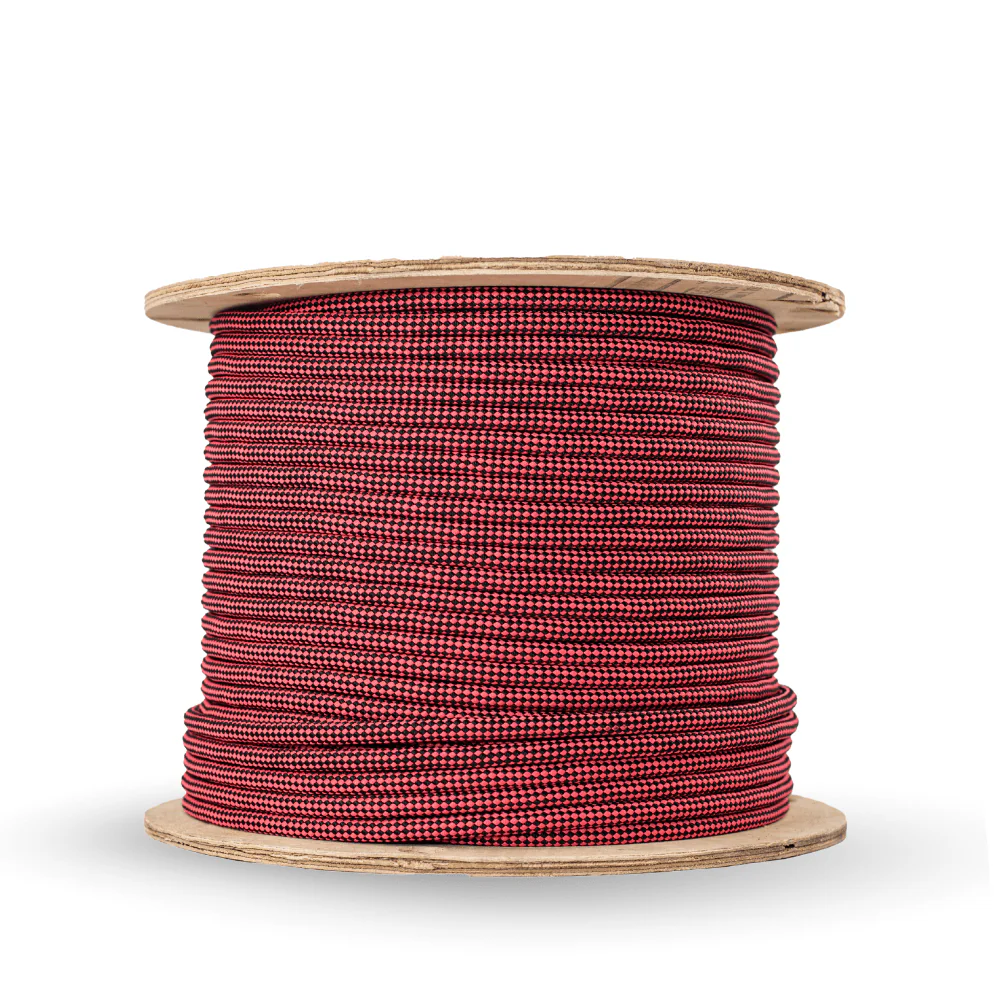
The Safety X NFPA Semi-Static Kernmantle Safety Rope is a versatile option ideal for climbers and professionals seeking a semi-static rope with top-level performance. Whether you’re engaged in rescue operations or need a rope for controlled descents, this product offers superior control, strength, and safety in challenging conditions.
Key Features:
- Semi-static design with low stretch properties
- Certified to meet rigorous NFPA standards
- Highly visible sheath pattern for safety
- Resistant to moisture and UV exposure
- Engineered for tree climbing, rope access, and rescue
Where to Find Good Ropes and Climbing Rope for Sale
Trusted Brands and Retailers
Finding the right climbing rope for sale involves more than just picking a rope that fits your budget. Stick with trusted brands that adhere to safety certifications like UIAA and NFPA. Retailers that specialize in climbing gear usually offer expert guidance and customer reviews, which can be incredibly helpful when making your decision.
Online vs In-Store Buying
Buying online offers the advantage of variety and competitive pricing. However, visiting a physical store allows you to feel the rope, assess its flexibility, and consult with experts in person. Whether you shop online or in-store, make sure you check for warranties, return policies, and product certifications. Investing in a good rope pays off in the long run by ensuring both safety and longevity.
FAQs
What’s the difference between static and dynamic climbing ropes?
Static ropes have minimal stretch and are best for activities like rappelling or rescue work. Dynamic ropes stretch to absorb the impact of falls, making them ideal for sport and lead climbing.
How often should I replace my climbing rope?
This depends on usage, but a general rule is every 1-3 years for frequent climbers. Always inspect your rope for frays, soft spots, and discoloration.
Can I use a tree climbing rope for rock climbing?
Not recommended. Tree climbing ropes are often static or semi-static, which lack the elasticity needed for absorbing fall impacts in rock climbing.
What length of rope should I buy for top rope climbing?
60-meter rope is typically sufficient for most indoor and outdoor top rope climbs. Always check the route length beforehand.
Do I need a dry-treated rope for outdoor climbing?
Yes, especially if you’re climbing in wet, snowy, or variable weather conditions. Dry treatment helps maintain rope performance and durability.

Your Next Climbing Rope Starts Here
Find the perfect climbing rope for your next adventure—engineered for safety, strength, and performance. Trust CoastLine Cordage Group for ropes that never let you down.
Conclusion
Choosing the right climbing rope is not just about meeting your climbing goals—it’s about ensuring your safety every time you leave the ground. Whether you’re tackling outdoor cliffs, setting up a top rope, or scaling trees, the right rope makes all the difference. By understanding your needs and evaluating options based on type, diameter, length, and durability, you’ll be better equipped to select the perfect rope for your adventure. From reliable static lines like the Bulwark Safety X to versatile semi-static options like the Safety X NFPA rope, investing in the right climbing rope is the first step to a safe and successful climb.
About The Author


