
Maximize site efficiency with the Latest Excavators
Maximize site efficiency with the latest excavators, designed to boost productivity through faster cycle times, precise movements, and fuel efficiency. These advanced machines deliver exceptional performance, helping you complete projects quicker while reducing operating costs.

When it comes to construction projects, efficiency and productivity are crucial to staying on schedule and within budget. Modern excavators are designed to meet these needs, delivering power, flexibility, and advanced features that streamline operations and improve performance. In this guide, we’ll explore the latest advancements in excavator technology, discuss how they enhance job site efficiency, and provide insights into two recommended models that offer robust features for diverse applications.
Table of Contents
- The Importance of Modern Excavators in Construction
- Features and Benefits of the Latest Excavators
- Recommended Products for Maximum Jobsite Efficiency
- How These Excavators Improve Jobsite Efficiency
- Choosing the Right Excavator for Your Needs
- FAQs
- What are the key benefits of using compact excavators on a job site?
- How do advanced hydraulic systems improve excavator performance?
- What factors should I consider when choosing an excavator?
- How can telematics and monitoring systems benefit job site operations?
- What are the main advantages of operator comfort features in modern excavators?
The Importance of Modern Excavators in Construction
Excavators are at the heart of many construction projects, from digging and trenching to demolition and material handling. With advancements in hydraulics, engine efficiency, and precision controls, today’s excavators are more versatile and powerful than ever. They offer improved fuel efficiency, lower emissions, and greater operator comfort, which collectively enhance productivity and reduce operational costs.
Using a modern excavator not only optimizes project timelines but also ensures safer working conditions by minimizing manual labor. The latest models are equipped with technology that enables operators to perform intricate maneuvers with precision, making them suitable for a range of applications in construction, landscaping, and utilities.
Features and Benefits of the Latest Excavators
Modern excavators come with several features designed to make jobs easier and more efficient:
- Advanced Hydraulics: Enhanced hydraulic systems provide smoother operations, better control, and faster cycle times, improving worksite productivity.
- Fuel Efficiency: Low-emission engines and optimized fuel consumption allow for cost savings and compliance with environmental regulations.
- Compact Design: Many modern excavators have compact dimensions, allowing them to work effectively in confined spaces without compromising performance.
- Enhanced Comfort and Controls: Adjustable seats, air conditioning, and intuitive controls reduce operator fatigue and improve accuracy.
- Telematics and Monitoring: Integrated technology helps monitor machine performance and health, enabling predictive maintenance and reducing downtime.
Recommended Products for Maximum Jobsite Efficiency
Model: PC18MR-3
The PC18MR-3 is a compact and highly capable excavator designed to perform efficiently in tight spaces without compromising on power. This PC18MR-3 excavator model is ideal for small to medium-sized construction projects, offering impressive digging force and fuel efficiency in a compact package.
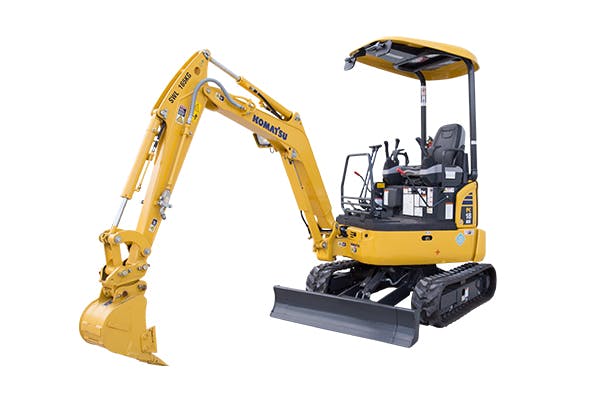
Features and Benefits of PC18MR-3
- Compact Dimensions: The PC18MR-3 is designed with a short tail swing radius, making it suitable for working in confined areas such as urban projects or limited-access sites.
- Advanced Hydraulic System: This model’s hydraulic system provides smooth and efficient operation, enhancing productivity by minimizing cycle times.
- Operator Comfort: With a spacious cab, ergonomic controls, and adjustable seating, the PC18MR-3 ensures operator comfort during long hours on the job site.
- Efficient Engine: The low-emission engine is designed to reduce fuel consumption without sacrificing power, making it an economical option for contractors.
The PC18MR-3 is particularly well-suited for landscaping, utility installation, and residential construction projects where compact dimensions are essential.
Model: PC25MR-5
For projects that demand a bit more power and reach, the PC25MR-5 is an excellent choice. This excavator combines a compact footprint with advanced capabilities, providing a balance of power, versatility, and fuel efficiency.
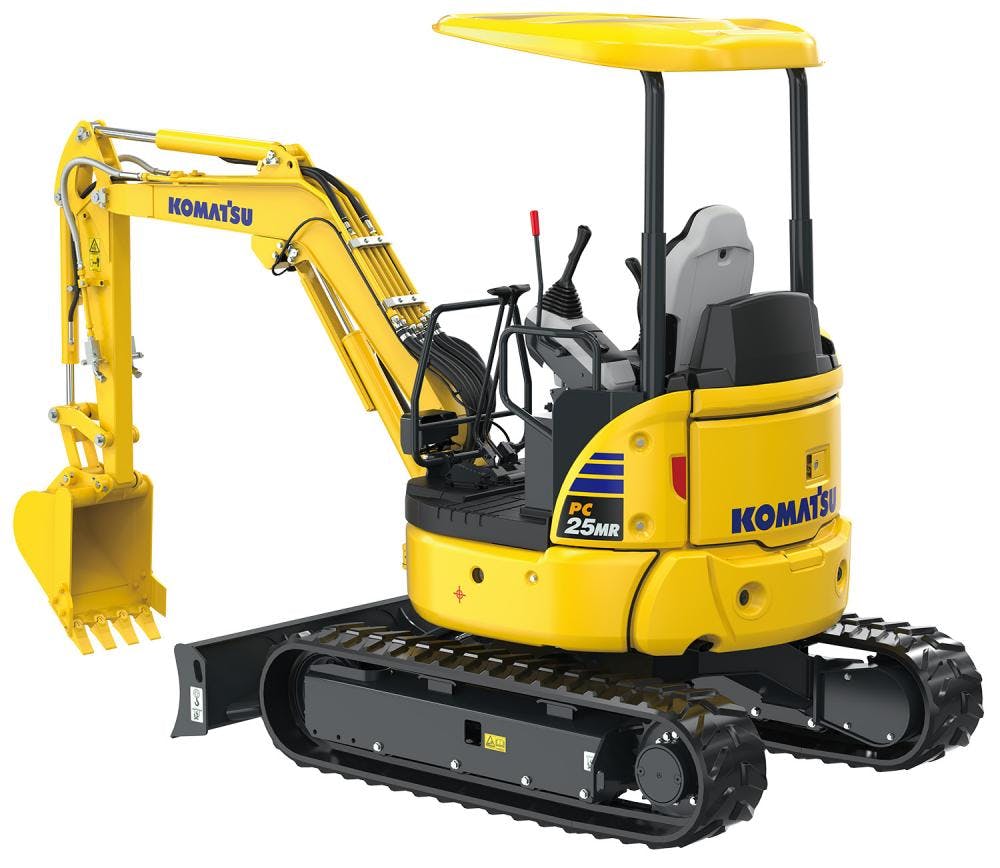
Features and Benefits of PC25MR-5
- Enhanced Power and Reach: The PC25MR-5 offers increased digging force and a longer reach, making it suitable for heavier workloads and deeper excavation tasks.
- Fuel-Efficient Engine: Designed to reduce fuel costs, the engine on the PC25MR-5 meets environmental standards while delivering consistent performance.
- Compact Tail Swing: With its short tail swing, this excavator can operate efficiently in confined spaces, minimizing the risk of damaging nearby structures.
- Enhanced Operator Controls: Equipped with advanced controls and telematics, the PC25MR-5 provides operators with precision and real-time feedback, which contributes to improved job site efficiency.
The PC25MR-5 is ideal for larger-scale projects that still require the maneuverability of a compact excavator, such as commercial building construction, utility trenching, and roadwork.
How These Excavators Improve Jobsite Efficiency
Both the PC18MR-3 and PC25MR-5 models offer unique advantages that make them essential for efficient project management. Their compact designs allow for easy maneuverability, reducing setup time and enabling faster task completion. Additionally, their fuel-efficient engines and hydraulic systems are designed to keep operational costs low without sacrificing power.
Operator comfort is another key factor in enhancing efficiency. Both models come with spacious cabs and advanced controls, reducing fatigue and helping operators work longer shifts without compromising precision. Their telematics systems allow for real-time monitoring, helping site managers track performance and schedule maintenance proactively, reducing downtime and extending the equipment’s life.
Choosing the Right Excavator for Your Needs
When investing in the best excavator for your job site, consider the scope of the project and the specific tasks it involves. For smaller projects or sites with limited space, the PC18MR-3’s compact design and efficient performance make it an excellent choice. On the other hand, for projects requiring more digging power and reach, the PC25MR-5 offers additional capabilities while maintaining a compact profile.
Both models are reliable, durable, and cost-effective solutions that cater to different project requirements, ensuring that you can meet your project goals efficiently.
FAQs
What are the key benefits of using compact excavators on a job site?
Compact excavators are beneficial because they can operate in confined spaces, are fuel-efficient, and reduce the risk of damage to surrounding structures. They are also typically easier to transport, making them ideal for various types of projects, including landscaping, utility installation, and residential construction.
How do advanced hydraulic systems improve excavator performance?
Advanced hydraulic systems enhance excavator performance by providing smoother operation, greater control, and faster cycle times. This leads to improved productivity on the job site, as tasks are completed more quickly and accurately, reducing overall project timelines.
What factors should I consider when choosing an excavator?
When choosing an excavator, consider the scope of your project, the type of work involved, and the space available on the job site. For smaller tasks and confined spaces, a compact model like the PC18MR-3 is ideal. For larger projects requiring more power and reach, the PC25MR-5 offers enhanced capabilities while remaining maneuverable.
How can telematics and monitoring systems benefit job site operations?
Telematics and monitoring systems help track machine performance and health in real-time, allowing for predictive maintenance and reducing downtime. These systems provide valuable data that can help site managers make informed decisions about equipment usage, scheduling, and maintenance, ultimately improving job site efficiency.
What are the main advantages of operator comfort features in modern excavators?
Operator comfort features, such as spacious cabs, adjustable seating, and intuitive controls, reduce fatigue and improve precision. Comfortable operators can work longer shifts with greater focus, which contributes to overall job site productivity and accuracy.
About The Author


