
Why Quality Rope Matters: Durability, Safety & Performance
Discover why choosing high quality rope is essential for safety, durability, and performance in outdoor, utility, and heavy-duty applications. Avoid the risks of cheap rope.

Ropes have been an essential tool for centuries, serving countless purposes from climbing and hauling to camping and boating. However, not all ropes are created equal. Choosing a high-quality rope is more than a matter of preference—it’s about safety, reliable performance, and durability. Whether you’re buying rope for outdoor adventures or heavy-duty tasks, understanding the difference between a strong rope and a cheap rope is crucial.
The Importance of High-Quality Ropes
What Makes a Rope “Good”?
A good rope combines strength, flexibility, and longevity. It must withstand stress, resist environmental damage, and provide a dependable grip. A high-strength rope made from durable materials like nylon or polyester typically offers better performance across various conditions. It should also have a well-balanced construction to ensure uniform load distribution. The quality of the braid or twist also affects handling and durability.
Risks of Using Cheap Rope
Choosing a cheap rope might save money initially, but it can create serious safety hazards. Inferior materials are prone to fraying, snapping, and losing tension quickly. When you’re hoisting heavy objects or securing valuable gear, a subpar rope could cause damage or injury. These ropes often lack proper testing and certification, making them unreliable in high-stakes situations. Over time, the hidden costs of replacing or repairing damage caused by poor ropes can outweigh the initial savings.

Types of Rope and Their Applications
Thick Rope vs. Thin Rope
Choosing between a thick rope and a thin rope depends on your specific need. Thick ropes offer more tensile strength and suit heavy-duty applications. In contrast, thin ropes suit lightweight tasks where flexibility and compact storage matter. Thick ropes are commonly used in rigging, climbing, and rescue operations where strength is critical. Thin ropes excel in decorative projects, tent setups, or activities like lightweight backpacking.
General Purpose Rope vs. Utility Rope
A general purpose rope is versatile and suitable for most household or recreational uses. Meanwhile, a utility rope is engineered for tougher jobs and offers additional features like abrasion resistance and higher load capacity. Utility ropes are often preferred for industrial, marine, or agricultural use due to their enhanced reliability. On the other hand, general-purpose ropes work well for casual tying, camping, or gardening.
Best Rope for Outdoor Use
When you venture outdoors, choosing the right outdoor rope is essential. Look for ropes with UV resistance, water repellence, and high tensile strength. These characteristics ensure your rope performs well in various weather conditions and terrains. Outdoor ropes should also resist mildew and mold, especially in humid environments. Consider ropes with bright colors or reflective strands for visibility and safety in low light.
Durability and Performance Considerations
High Strength Rope for Heavy Duty Use
For industrial or extreme outdoor tasks, a rope’s heavy-duty classification is key. These ropes are designed to handle significant loads without compromising integrity. Heavy-duty ropes are commonly used in construction, rescue operations, and marine settings. They are built to endure abrasion, shock loads, and harsh conditions over extended periods. Certification standards such as ANSI or ISO often back their performance.
Weather Resistance and Longevity
Environmental exposure can degrade a rope over time. High-quality materials resist sunlight, moisture, and temperature fluctuations. This resilience extends your rope’s lifespan and maintains its effectiveness in challenging conditions. Ropes made with treated fibers or protective coatings resist rot and chemical exposure better. Choosing the right rope helps prevent early wear and failure, even in rugged environments.
HMPE Hollow Braid Utility Rope
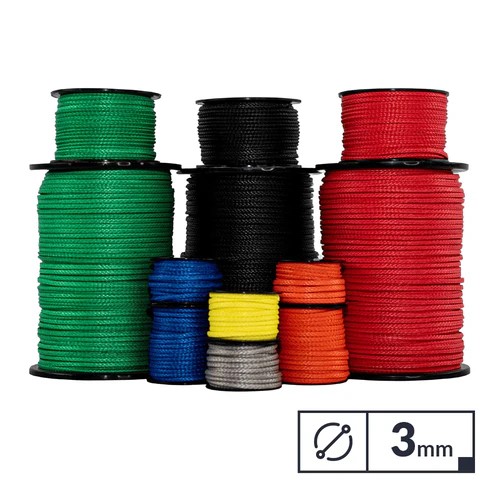
This HMPE Hollow Braid Rope is a high-performance solution for outdoor and utility applications. Engineered with high-modulus polyethylene fibers, it’s incredibly lightweight yet impressively strong, offering a strength-to-weight ratio far greater than steel. The hollow braid design ensures flexibility and easy splicing, making it an excellent choice for camping, hunting, survival kits, or any scenario that demands reliable, compact strength.
Key Features:
- Crafted from ultra-durable HMPE fibers
- Exceptional strength-to-weight ratio
- Floats on water and resists moisture absorption
- Designed to withstand abrasions and rugged use
- Available in multiple colors and lengths for varied applications
Where and How to Buy Rope
Where to Buy Ropes Online and In-Store
If you’re wondering where to buy ropes, start with specialized outdoor or hardware stores. Online platforms also offer an extensive range, often with user reviews to help you decide. Many online retailers provide detailed specifications, making it easier to compare brands. For hands-on evaluation, local stores let you feel the texture and inspect the rope’s build quality.
What to Look for in Rope Sales
Spotting a rope sale can be exciting, but don’t let the discount blind you. Ensure that the rope on sale meets your quality standards. Always check specifications like tensile strength, material, and intended use. A reputable brand name can offer additional confidence when buying discounted products. Also, check for warranties or satisfaction guarantees that cover you if the product falls short.
Bulk Rope and Rope on Sale: What’s the Catch?
Purchasing bulk rope might seem economical, especially for large projects. However, evaluate if the quality is consistent across the batch. Not all rope sales offer good value, so prioritize products that combine affordability with proven performance. Read the product descriptions carefully to confirm whether the rope meets your specific needs. Bulk purchases are best when you’ve tested a sample or have prior experience with the product.
How to Choose the Best Rope for Outdoor Use
Activities and Environments
Your rope choice should match what you plan to do. For camping or hiking, the best outdoor rope is lightweight yet strong. For boating or climbing, prioritize water resistance and strength-to-weight ratio. Consider how easy the rope is to knot and untie, especially in changing weather conditions. Also, evaluate if it needs to be easily visible—for example, in low-light environments or crowded campsites.
Rope Heavy Duty vs. Specialized Outdoor Ropes
A heavy-duty rope may seem like the best all-around option, but a specialized outdoor rope can perform better. Match the rope’s features with your environment—abrasion resistance for rocky terrain, water resistance for marine use, etc. Specialized ropes are often engineered with advanced materials or coatings to meet specific challenges. Choosing the right type ensures optimal safety, performance, and durability for your activities.

FAQs
Where can I buy rope that’s both strong and affordable?
You can find strong yet affordable ropes at outdoor gear retailers, hardware stores, or trusted online platforms. Always check user reviews and product specifications before you buy.
What’s the difference between utility rope and general purpose rope?
Utility rope is typically more durable and made for demanding tasks, while general purpose rope is versatile and used for lighter, everyday applications.
Can I use the same rope for indoor and outdoor tasks?
Yes, as long as the rope is weather-resistant and meets the strength requirements of both environments.
How do I store my rope to extend its life?
Store your rope in a cool, dry place, away from direct sunlight and chemicals. Coil it neatly and avoid sharp bends to maintain its integrity.
What type of rope is best for camping?
Look for lightweight, UV-resistant, and high-strength ropes. Paracord and nylon ropes are popular choices among campers.
Conclusion
Choosing the best rope is not just about price or appearance—it’s about reliability, safety, and functionality. Whether you need heavy-duty ropes for industrial work or a good rope for weekend adventures, investing in quality pays off in the long run. Consider factors like material, strength, resistance, and application when deciding. Remember, a new rope that’s built to last will always outperform a cheap rope that fails when you need it most.
About The Author


